Talking With Children
Blake Funeral And Cremation Services
Talking to Children About Loss and Grief
Helping a child cope with the loss of a loved one can be one of the most difficult responsibilities a family faces. Children often experience grief differently than adults, and their understanding of death varies based on their age, maturity, and life experiences. At Blake Funeral and Cremation Services, we believe that honest, age-appropriate conversations can help children feel supported, secure, and better equipped to process their emotions during a time of loss.
Whether you are speaking with a toddler, school-age child, or teenager, providing reassurance, listening to their concerns, and encouraging open communication can make a meaningful difference in their healing journey. Understanding how children grieve at different stages of development can help families navigate difficult conversations with compassion and confidence while creating a supportive environment where emotions can be expressed freely. Contact us today to learn more about supporting children through grief and finding helpful resources for your family's healing journey.
Grief in Children
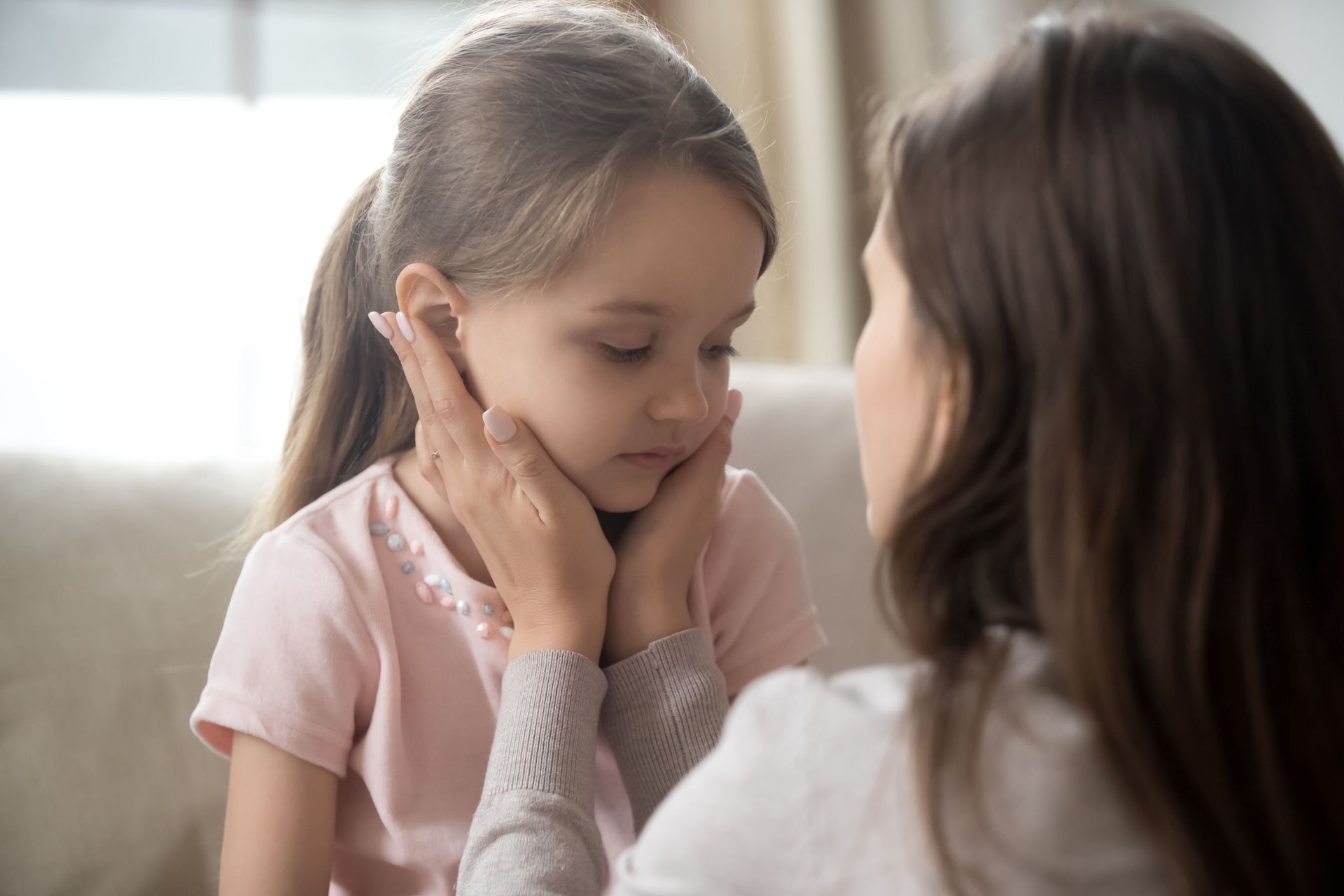
Depending on the age and the maturity level of a child, their reaction to the death of a loved one varies. As a child ages and matures, there will be times when they will revisit the memory of losing a loved one. It is important that you provide support during this difficult time.
For you to have a clearer picture of how children feel and react to the loss of someone who’s been a significant part of their life, we’ve provided an overview based on their age.

Infants and Toddlers
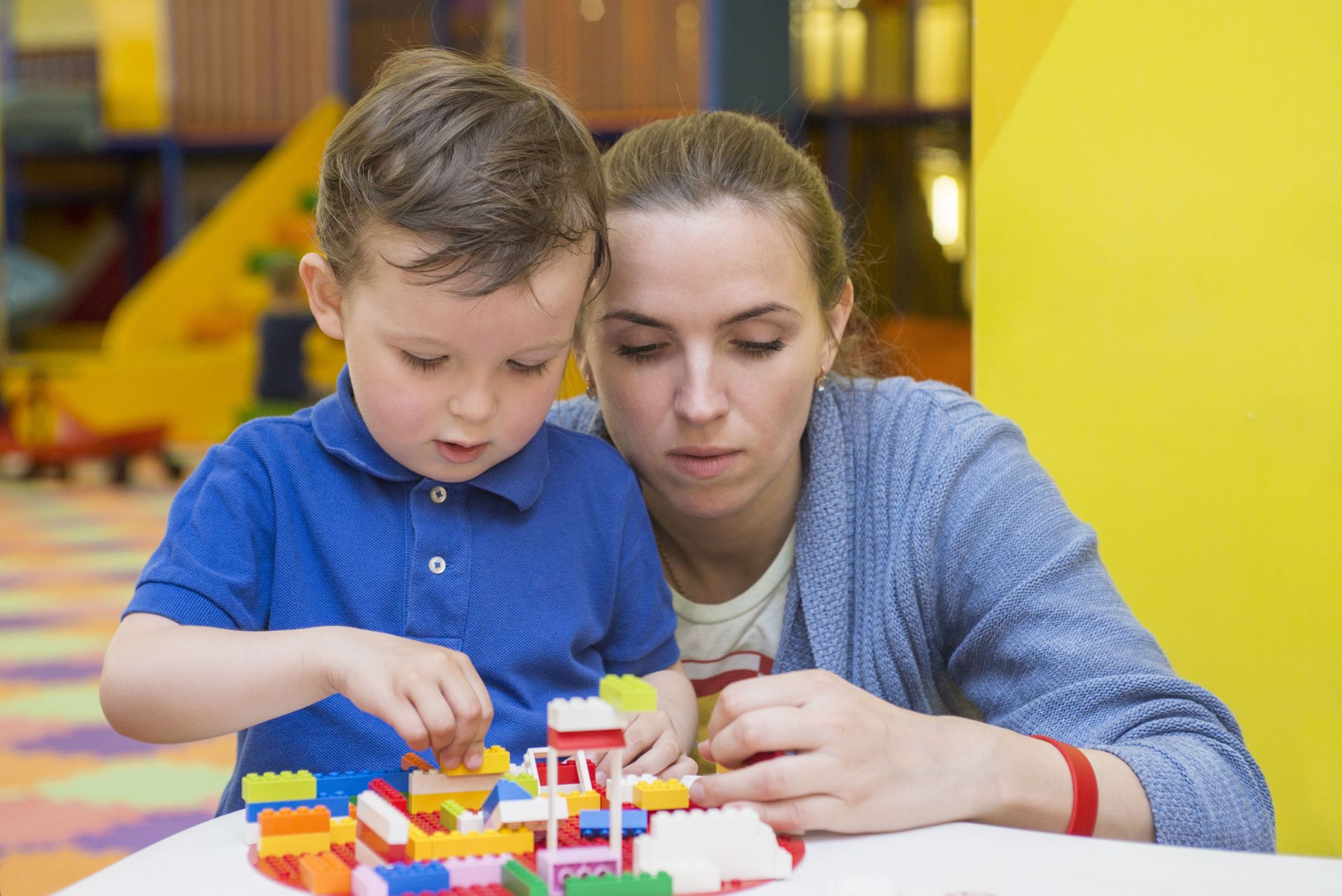
Do not underestimate the ability of infants and toddlers to feel a loss. Although they might still not have the ability to understand what’s going on, they can comprehend loss through the absence of someone they’ve gotten used to spending intimate times with, through an interruption to their usual routine, and through the stress and grief they sense from their parents and the people around them. To help a child at this age cope with this situation, double your efforts in cuddling and holding them — this helps give a feeling of security and love despite the absence of someone.
Younger Children
Children at this age might have difficulties differentiating reality from fantasy, and even more so, the permanence of death. You might feel that using euphemisms to explain the situation to your child may be helpful, but that is not the case. Using terms such as “gone away,” “sleeping,” or “lost” might confuse your young child and could give them fears or negative thoughts. For example, if a young child is told that a deceased loved one has “gone away,” it might make him/her feel abandoned or rejected.
A young child might also think that it’s probably his/her fault. If you tell them that the person in the casket is only “sleeping,” they might have fears about not waking up again when they sleep at night. When talking to your child about the death of a loved one, it is best to be honest and use simple and direct words that they can understand.


Older Children
At this stage, children are more likely to understand abstract concepts such as death. They are also at a point when they have more knowledge about how the body works, so be prepared with specific questions they might have. It is very important that your answers are always factual and specific. They might also be more vulnerable and insecure at this time because, aside from the death of a loved one, they are also going through a lot of changes — so give them sufficient opportunities to have conversations with you so they can express their feelings of pain and grief.
Older Children
At this stage, children are more likely to understand abstract concepts such as death. They are also at a point when they have more knowledge about how the body works, so be prepared with specific questions they might have. It is very important that your answers are always factual and specific. They might also be more vulnerable and insecure at this time because, aside from the death of a loved one, they are also going through a lot of changes — so give them sufficient opportunities to have conversations with you so they can express their feelings of pain and grief.

Teenagers
Because of their growing independence, teenagers usually feel the need to keep their feelings of grief to themselves to show the people around them that they’re grown up and can control how they feel. But because this is most often not the case, they are more likely to engage in high-risk behavior because they are unable to properly express their feelings, especially after the death of a loved one. Although they might feel more comfortable talking to their peers and friends, do not feel disappointed. If anything, this will help them open up their feelings and will make way for healing. This doesn’t mean that you no longer talk to them. Create opportunities where you can talk about the loss, listen to their concerns, empathize with them, and assure them that you are there to help them cope.